Technical sheet
Read moreRead less- Location
- Groenendaal, Hoeilaart
- Date
- 2019-2020
- Partner
- on the instructions of Origin Architecture and Engineering
- Client
- Government
- Studiepartners
- Origin (heritage, stability)
- Status
- Study completed, not executed.
Station Groenendaal
Feasibility study exploring the repurposing of the protected heritage site ‘Groenendaal Station’ into a microbrewery and beer experience centre.
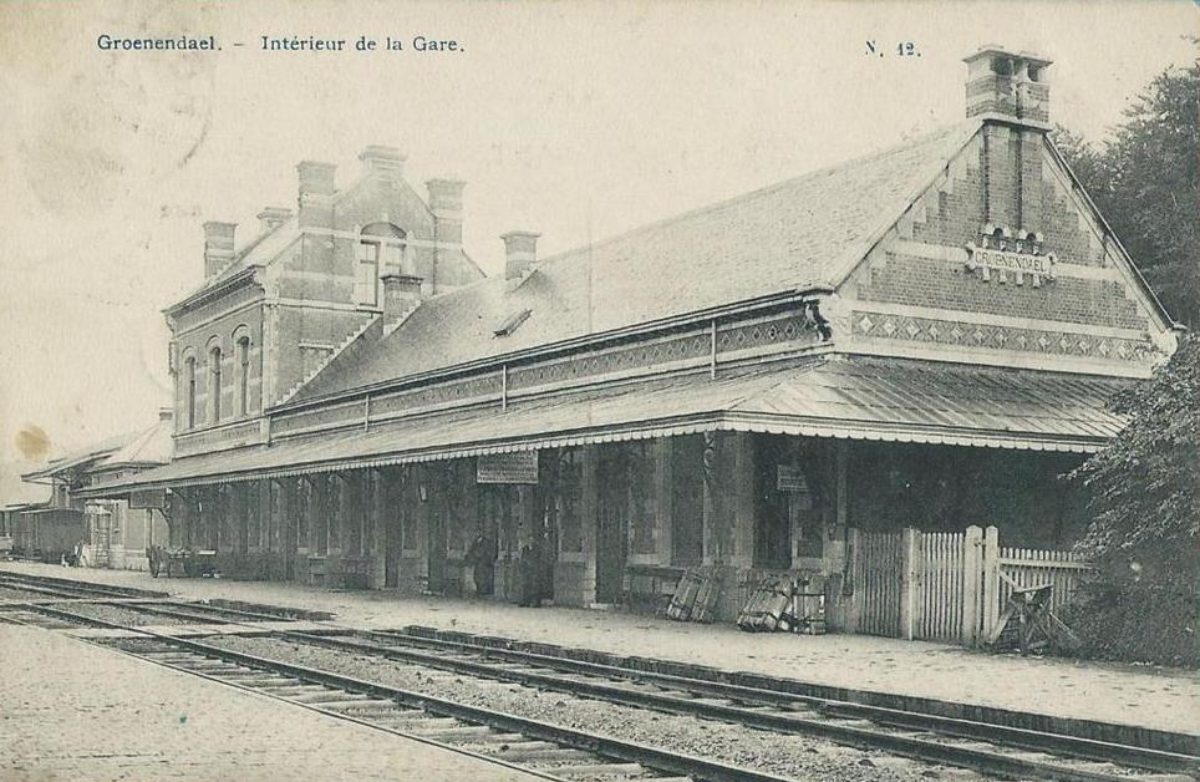
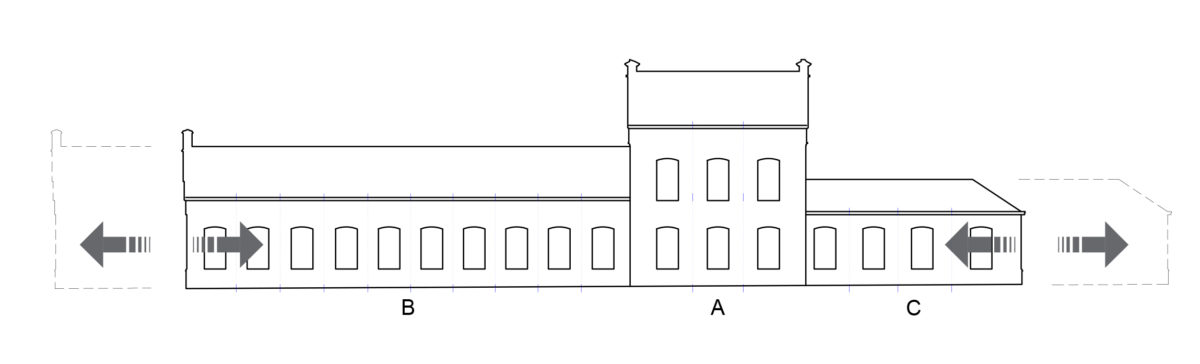
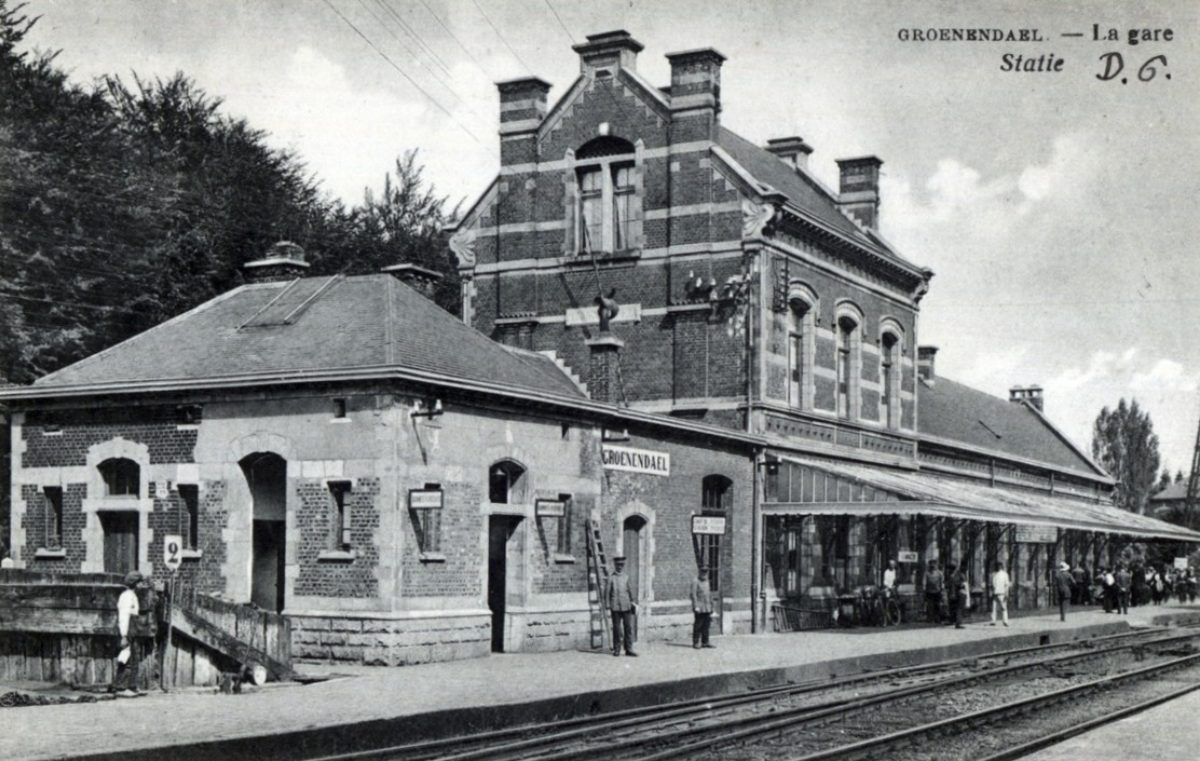
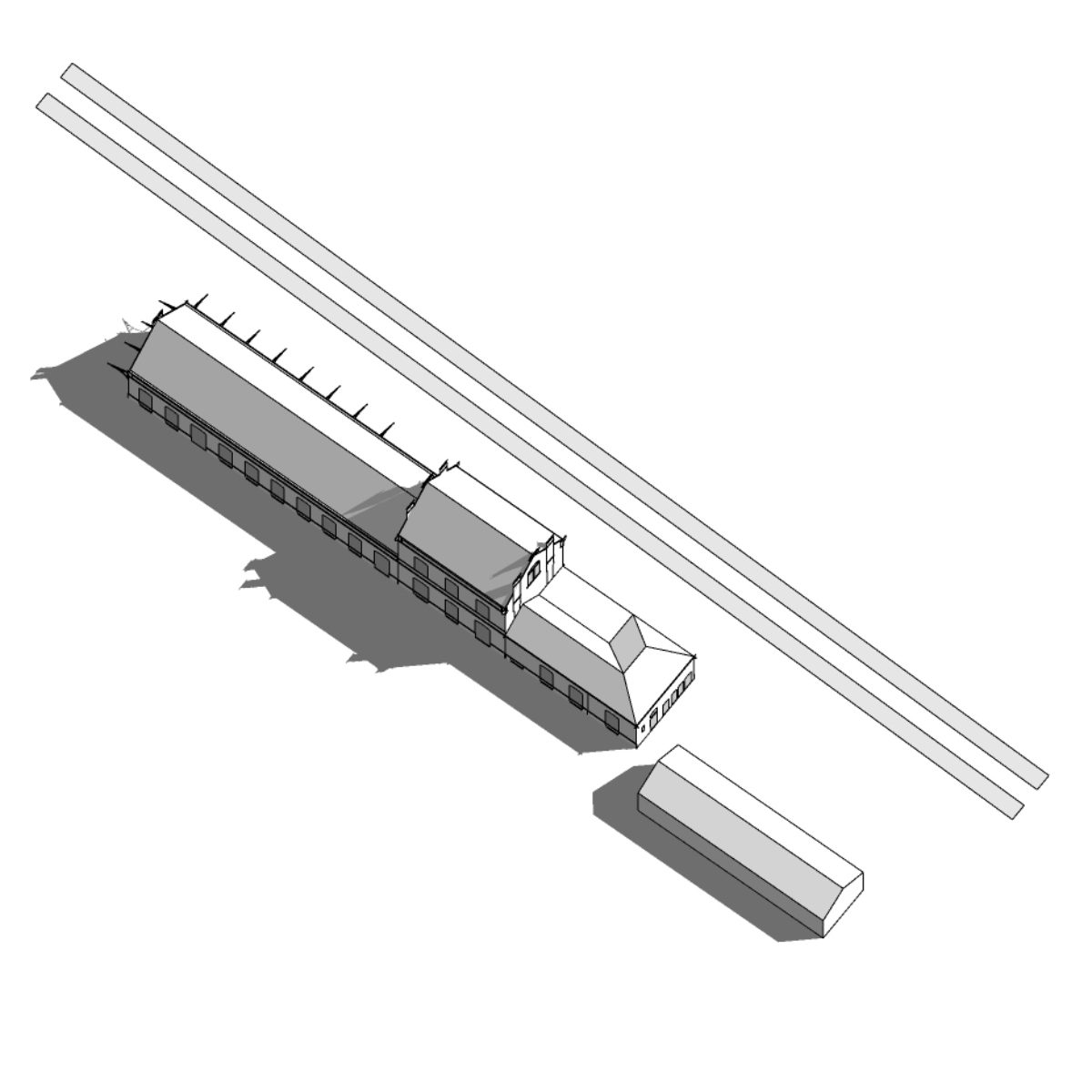
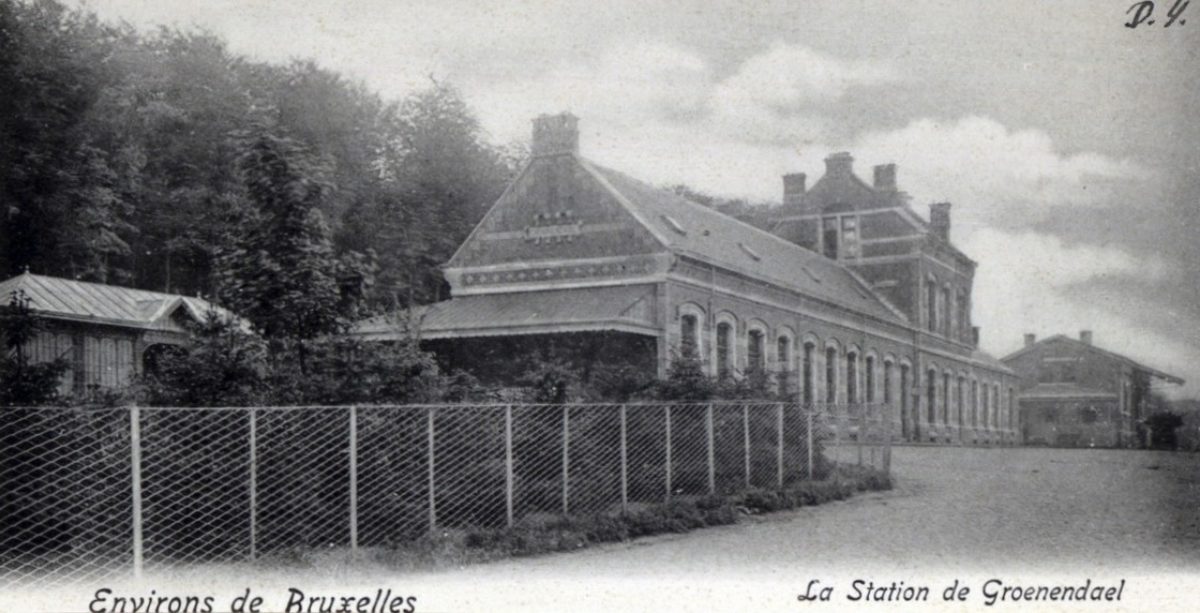
Once a prestigious gateway to the Sonian Forest for Brussels’ bourgeois and aristocratic families, now left derelict and decaying for decades. Though modest in scale, Groenendaal Station was once splendid. Built according to the modular ‘Namur-type’ station typology, it stretches out in sections along the track: a luxurious wing with decorated waiting rooms and a buffet; a taller wing housing ticket counters, a weighbridge, and the stationmaster’s residence; and a lower wing with mainly utilitarian rooms. While the exterior has remained relatively intact over time, the interior suffered significant damage from a fire in the 1990s. Since then, this protected monument has been boarded up. For the municipality of Hoeilaart, this is unacceptable. A restoration file has been submitted to the Flanders Heritage Agency (‘Onroerend Erfgoed’), but the building’s future use is still under consideration. As part of this process, the municipality commissioned a feasibility study for its transformation into a microbrewery and beer experience centre. The study has been completed, but no definitive repurposing has yet been determined.
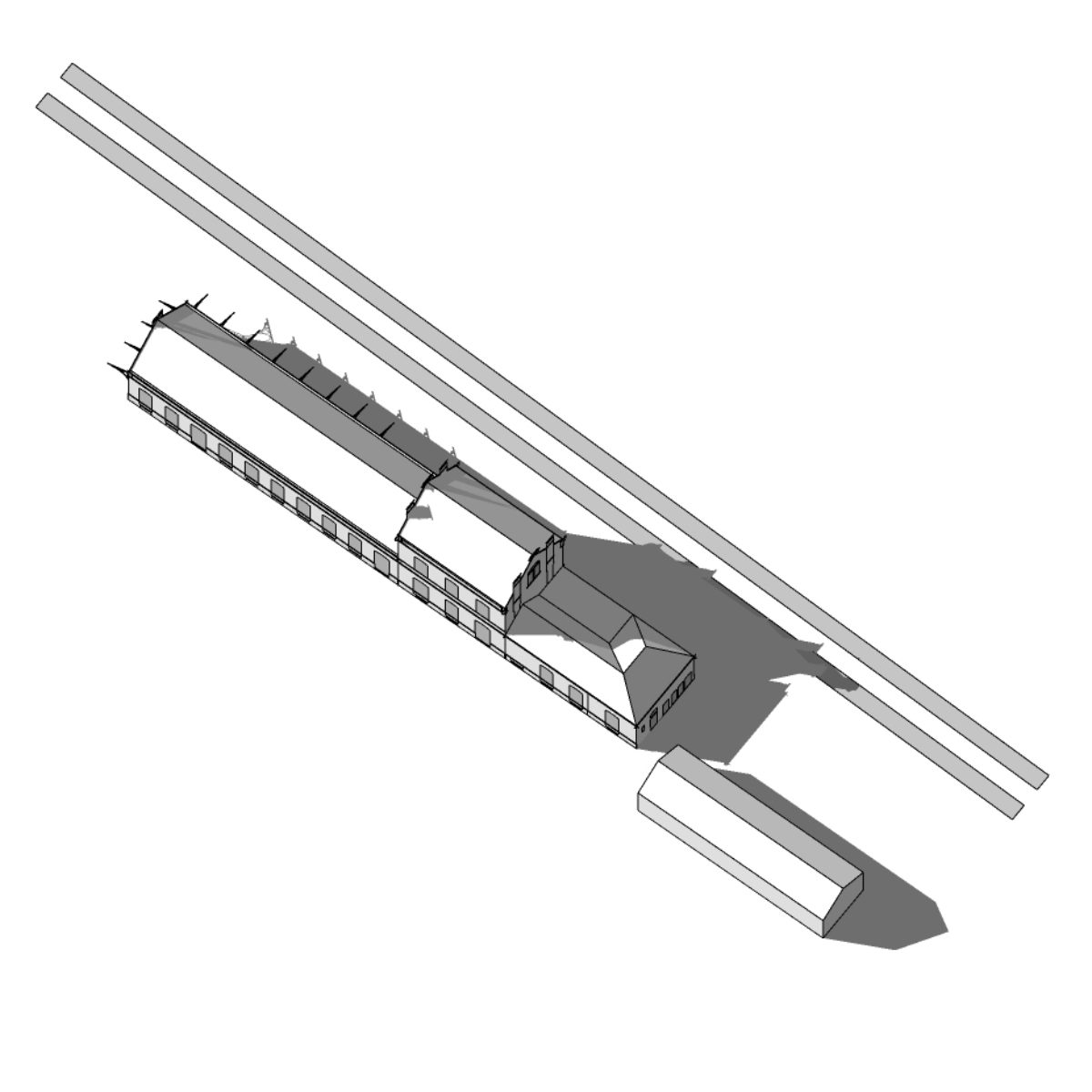
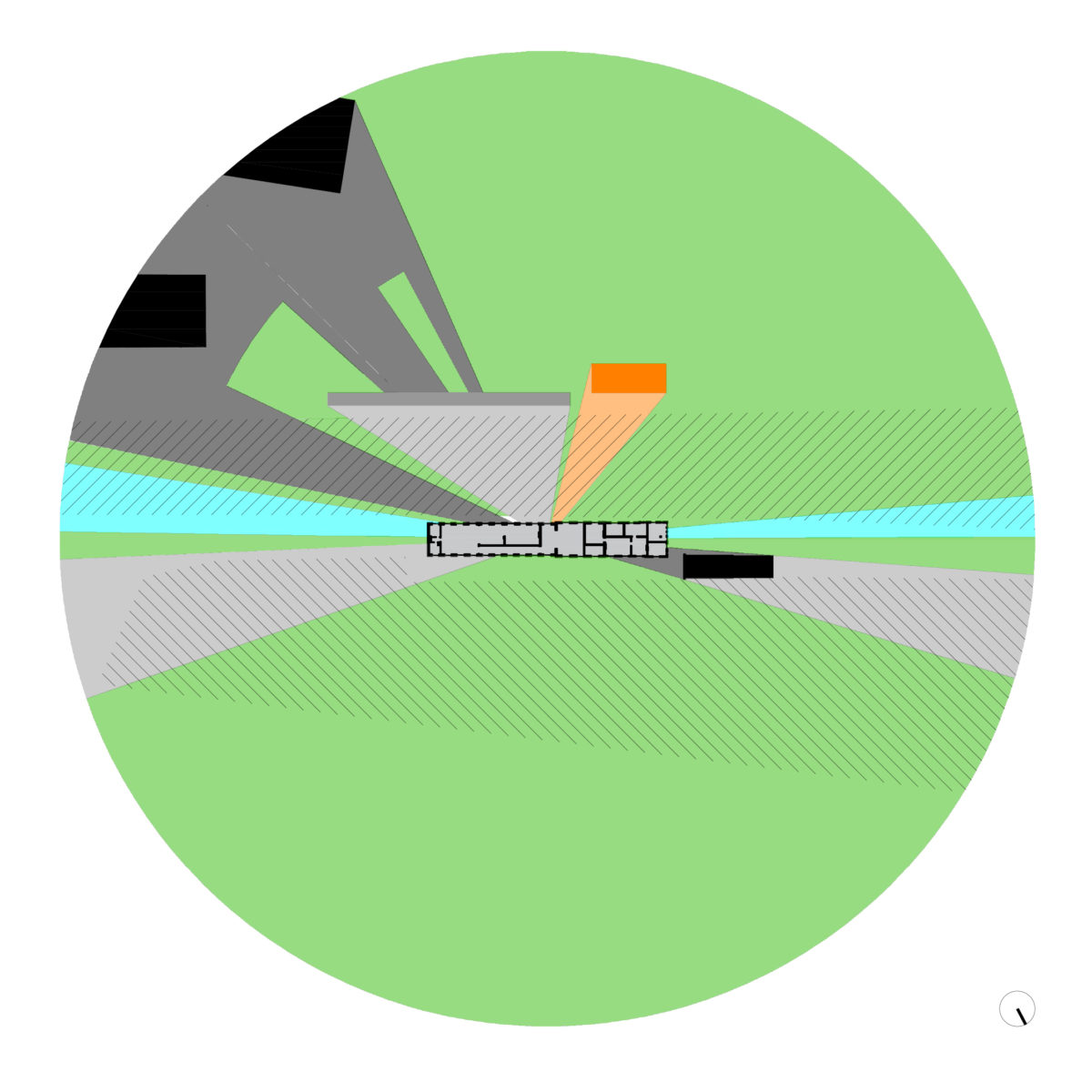
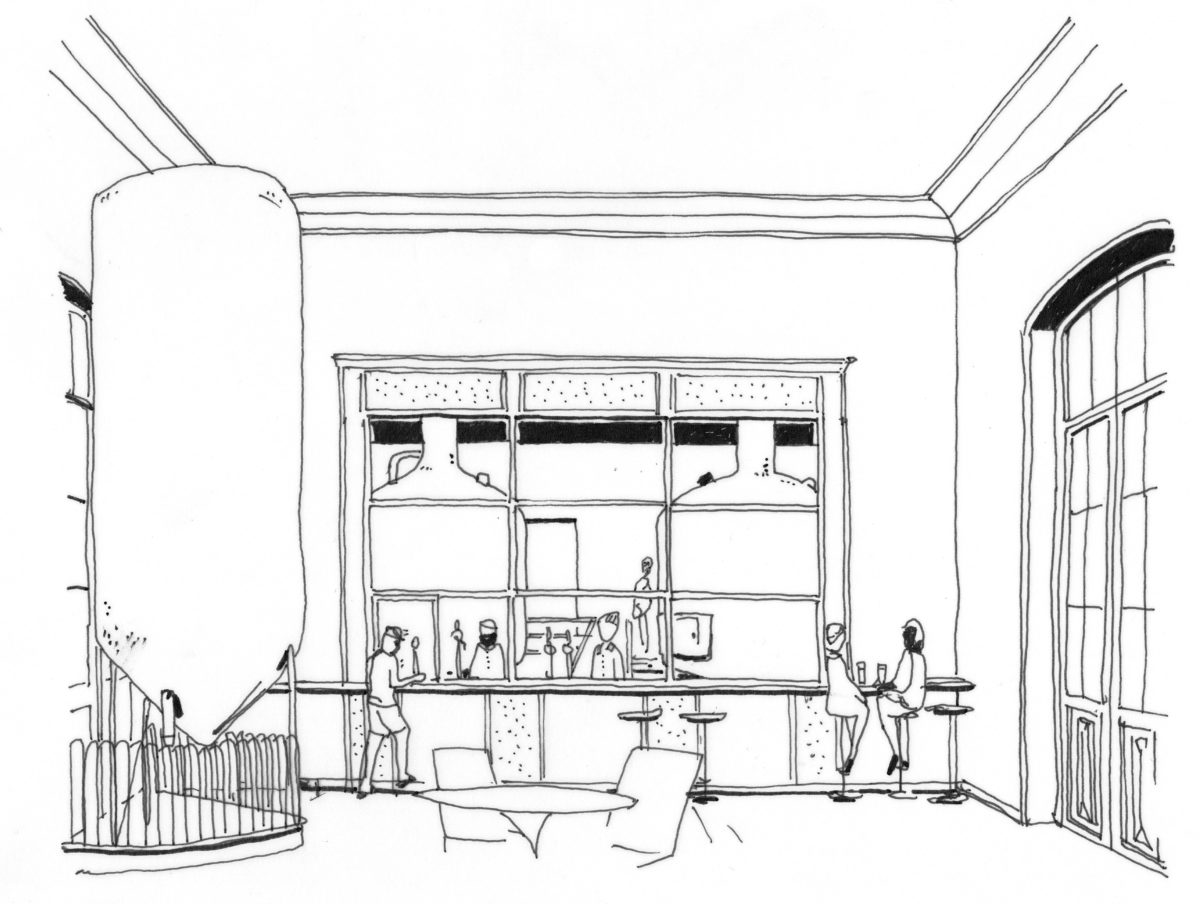
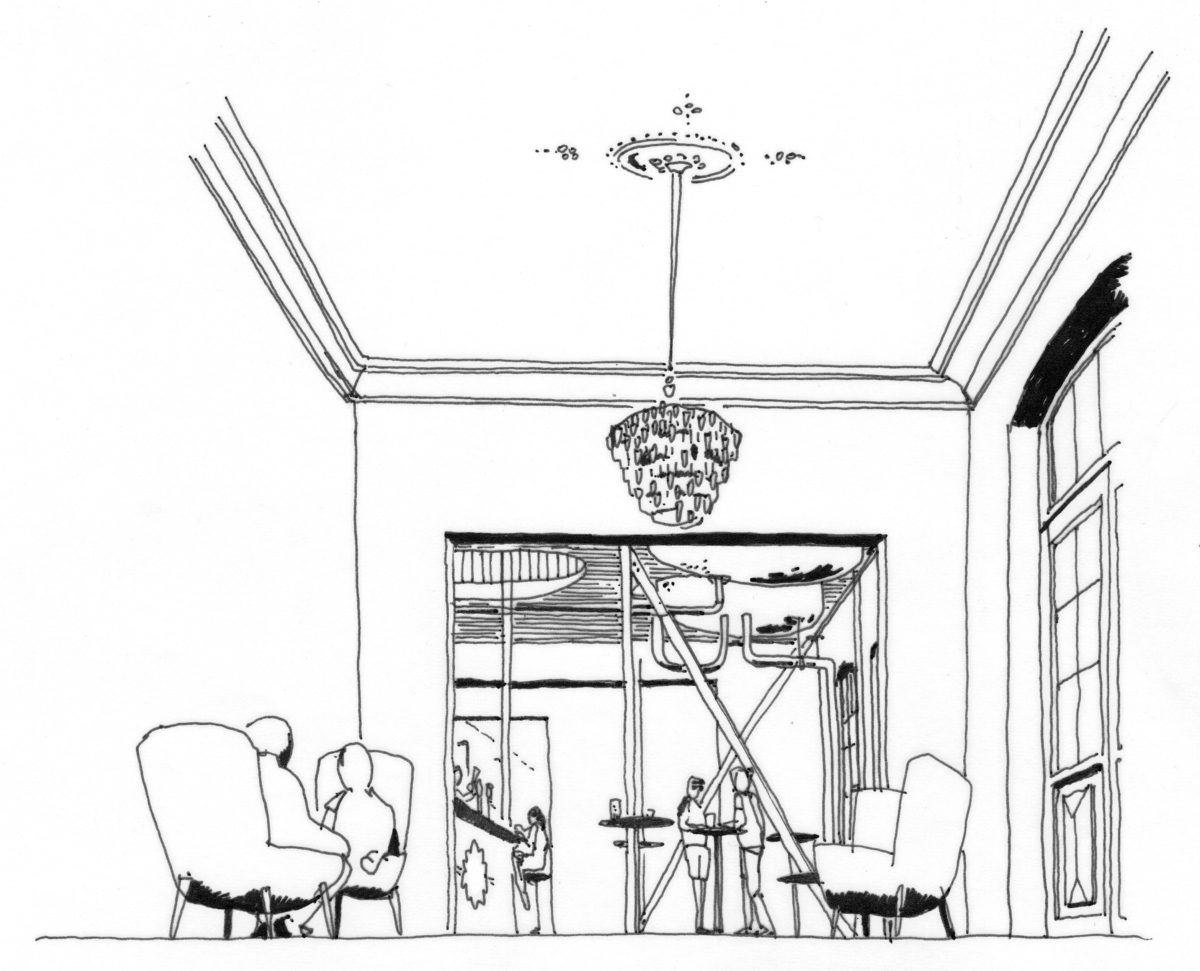
The proposed programme sets out specific technical and operational requirements. Brewing is a fundamentally linear process (grain to bottle) which in this case must also be made visible to visitors. As always, the study began analytically and continued iteratively. A sun study was carried out to determine the optimal orientation for a terrace. Sightlines to and from the station were mapped, and accessibility examined.
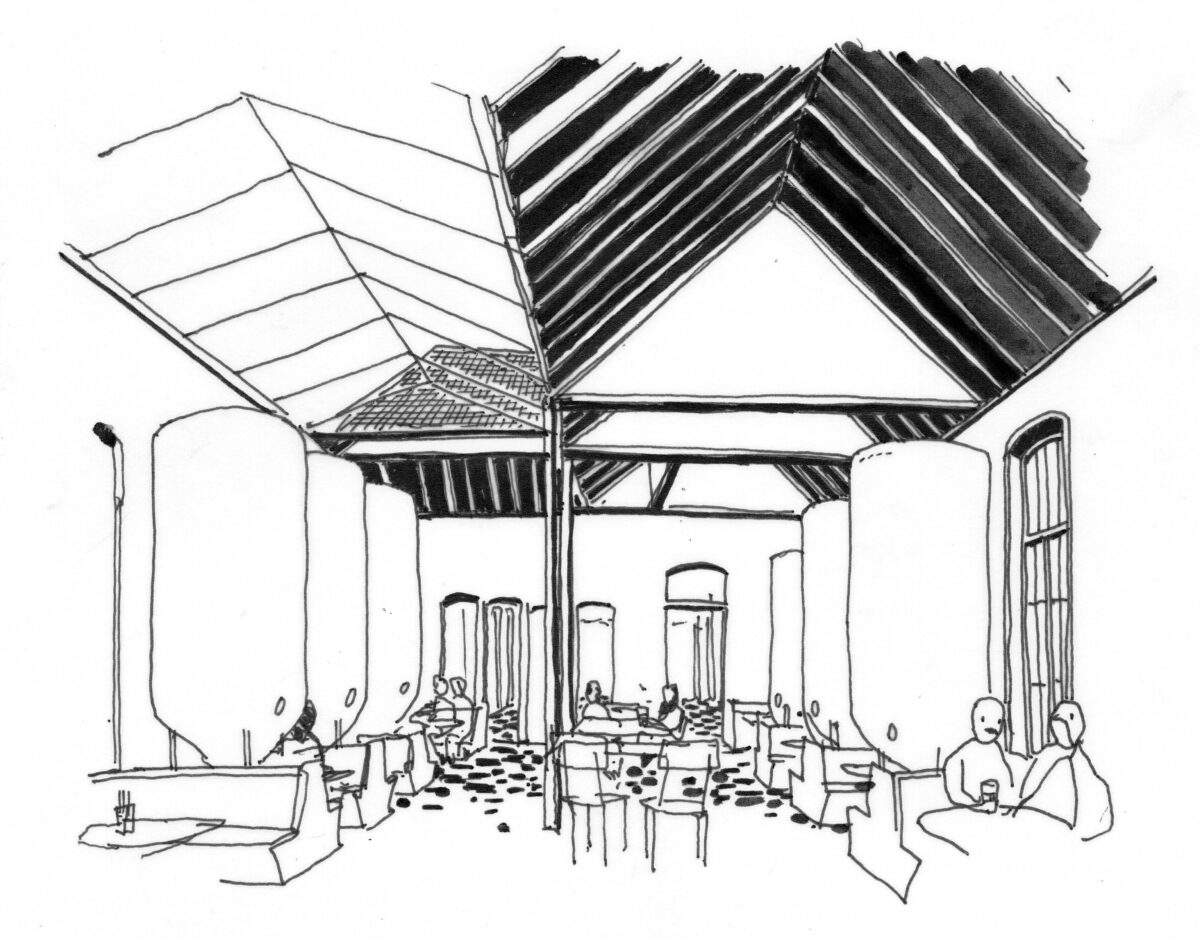
The integration of heritage and programme presents challenges, so an open exploration was first conducted to see how various programme components might fit together. The cellar maintains its historic role, housing secondary functions. The feasibility of a volumetric extension was investigated. The ground floor is intended as the main visitor experience zone. The question was how the original room layout can add value, enabling a rich variety of atmospheres. A restoration strategy was developed, tailored to the heritage value of each space: some calling for pure restoration, others for more experimental or stimulating renovation. A terrace could be added as a west-facing extension to the longitudinal volume. The attic and upper floors accommodate the backstage functions of the programme.
Staying true to the building’s DNA: a station has always been a place where the technical-industrial meets the cultural and representative. A convergence of transport and experience. Similarly, the technicalities of brewing meet the experience of the visitor. ‘Groenendaal Station’, once again a destination. From a place of passage to a place to linger.