Our clients
Read moreRead lessWe love working with families, businesses, small local governments and other architectural offices. We understand their concerns: money is tight, time is short, space is limited. The building process may feel unfamiliar. That’s okay—we’ll guide you through.
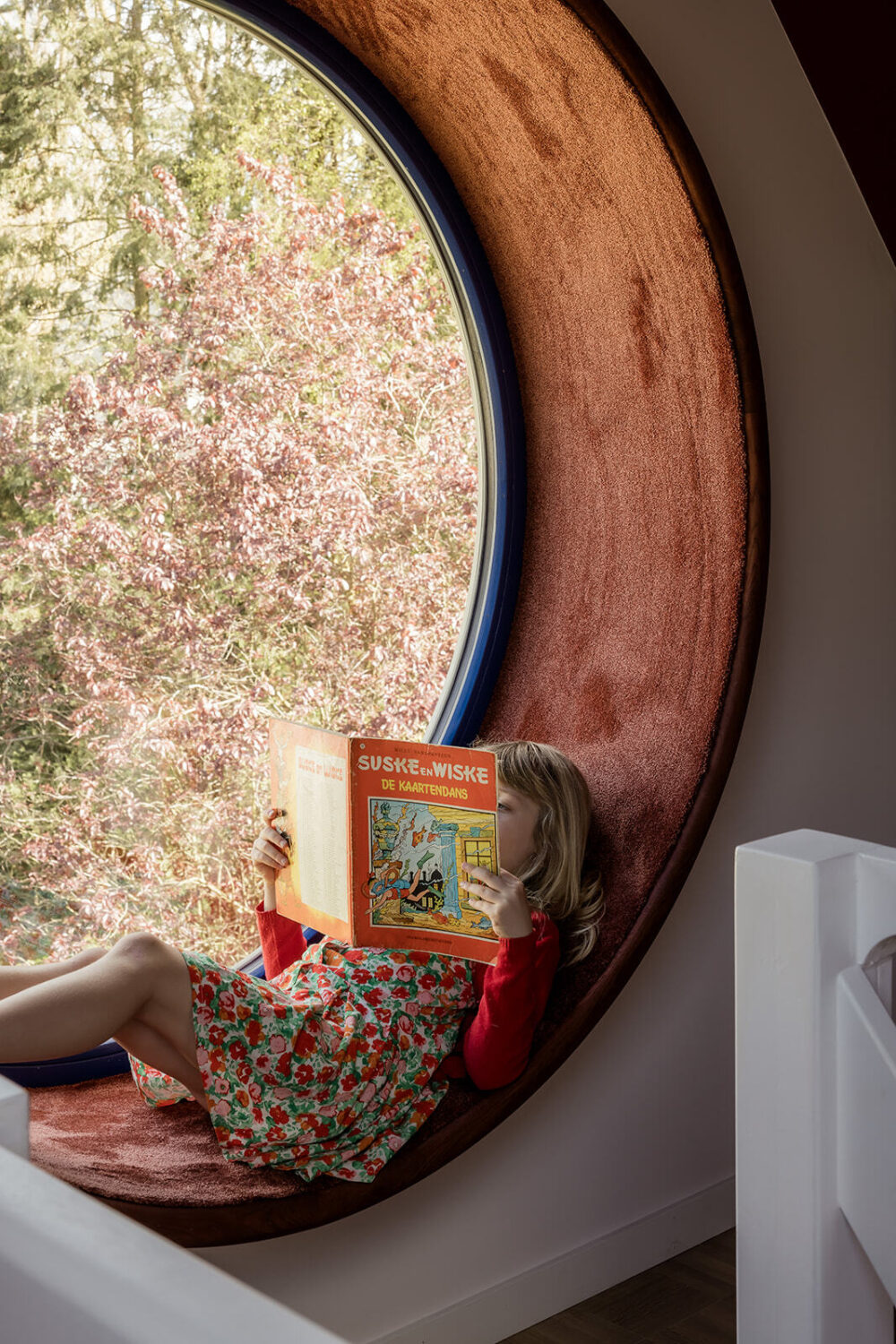
Private clients
One of your biggest investments
Building for yourself means building for future memories. You’ll spend thousands of hours in your home. It’s more than shelter—it’s birthday parties and slow Sunday mornings, windows open during heatwaves and snowmen in the yard, late-night dishes and handwritten letters in the hallway. We understand the weight of it. It’s one of your biggest investments. It will cost money, time and energy. But if done right, it gives back precious time—lived well.
Professional clients
Process management is key
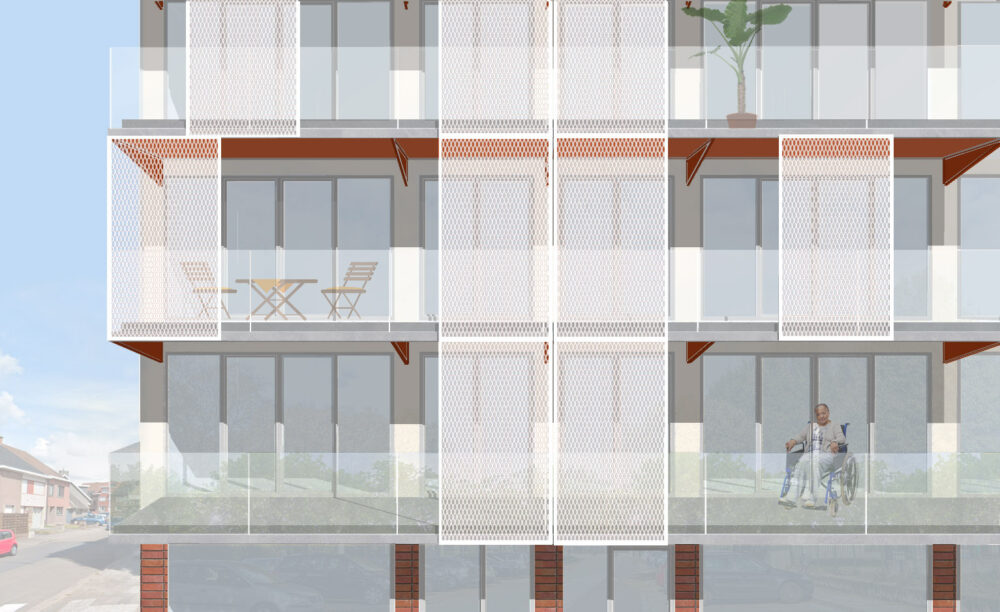
Great design requires great process. Architecture isn’t built by architects—it’s built by contractors. But we manage that process. At every phase, we ensure quality in form, function, technique, cost, and timing. We take this seriously. Because project management bridges the gap between ambition and reality. Even in small or budget projects, our documentation is detailed and our site supervision is rigorous.
We’ve worked with:
- Developers (Volus, Acasa, MG Real Estate, H16, Unbuilt, BT Projects)
- Property managers (Agence Rosseel, Delbecque Immo, Esset Property Management, AZimmo, Freestone)
- Companies (Kine In Form, Kine Fieuws, Bounce Rocks, Aleris, Pfizer)
Public authorities
Working iteratively to navigate complex stakeholder landscapes
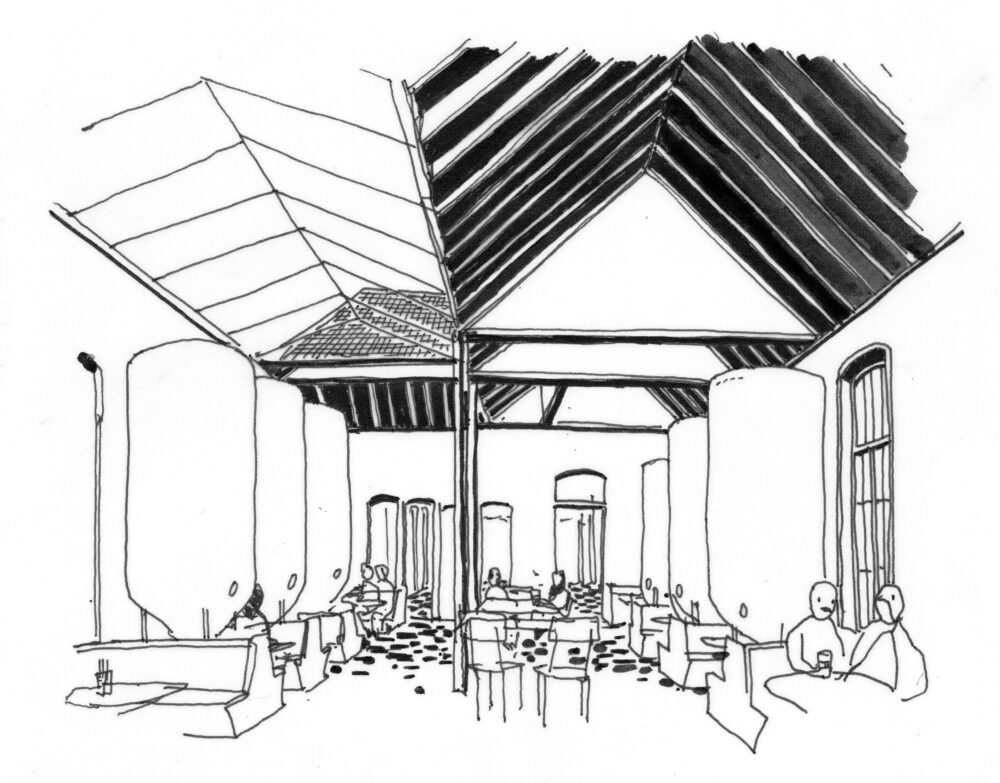
Architectural complexity is increasing. Projects need to move fast and have broad public support. Iterative design helps. Gone are the days of presenting one fixed scheme. We bring our expertise to the table—not by declaring the ‘best solution,’ but by examining strong variants together. That demands direction and moderation, which is a key role for architects today. By integrating input early and broadly, we create momentum and support. Iteration doesn’t mean stop-start. It means continuous forward growth.
We’ve worked with:
- Local authorities (Diest, Antwerp, Ostend, Groenendaal, Ghent, Meise, Lokeren, Ichtegem, Merelbeke, Gistel, Jabbeke, ...)
- Other public institutions (Interwaas, Building Agency, Woonhaven, Museum Vleeshuis)
Fellow architecture offices
Complementary expertise
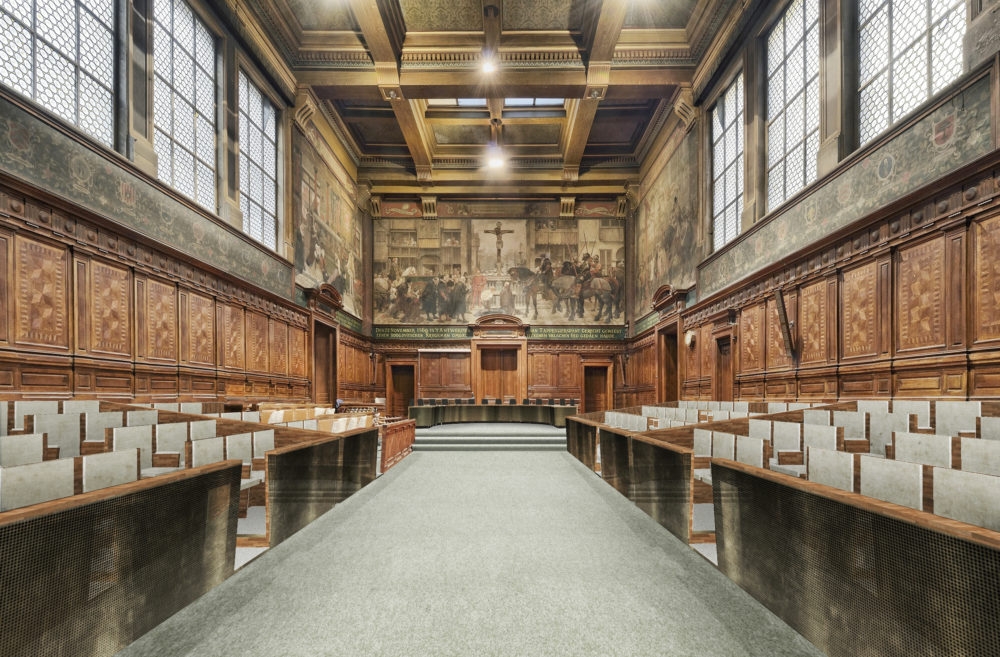
You can’t do it all. We do some things better than others, and vice versa. That’s why we regularly collaborate—to bring complementary strengths together. Always with a shared vision for the working relationship: bottom-up versus top-down, heritage versus new build, scenography versus architecture.
We’ve teamed up with: Origin, HUB, EVR, 360, Geerard-Gouwy, Rooilijn, Archivolt, and Jan De Moffarts.
Translating stories
We are fascinated by all kinds of stories. Stories are immersive ways to share, pass on, and transform, enrich, or edit ideas. Old stories like memories, historical photos, maps, or architectural remnants. New stories like someone's lifestyle, goals, (re)purposing, and cultural shifts. And everything in between.
Stories can be specific: "I'm messy, so I need to be able to quickly hide my laboratory-like kitchen." Or: "This is a stunning director's house. We need to give it a prominent role on a site facing many development challenges, including financial feasibility." They can also be abstract: "An attic stair is different from a cellar stair. For me, it means ascending into a universe of secrets and adventure." Or: "As a child, I grew up in the shadow of that tall industrial chimney. I don’t know yet how we should deal with it, but I do know it matters."
We're good listeners. To people, places, and everything in between.
We're good at talking, too. To help you see your own story more clearly.
And we speak a language you may not: the language of architecture. We sketch, draw, calculate, write. Over and over. We translate stories into space—and then we build them.
Picture a city. Now picture all the stories playing out in that city. Imagine the spatial traces they leave behind. That's the kind of architecture we want to be involved in. That’s why we’re city kids: the stories are on every street corner. Stories may be less dense in the countryside, but they are there too: the old mill, the farmhouse. We like listening to them all.
Three Core Values: Engaged, Entrepreneurial, Resourceful
We find it important to be engaged. To translate stories, you need to be able to listen. We do this by:
- Building close relationships with clients.
- Actively informing inexperienced clients about the process.
- Working with clients for whom involvement truly adds value: families, businesses, and small municipalities.
- Using visual communication. Images are our architectural language; they make decisions tangible.
- Working with multiple scenarios—iterative design. Presenting options, budgets, and sketches.
- Involving other stakeholders (engineers, city departments, contractors) early in the project's narrative.
- Collaborating closely and equitably with contractors.
Architecture is also entrepreneurship. That includes profitability and proactivity, but also project management, shared authorship, and developing personal expertise. We offer this to our clients by:
- Taking pride in our project management, even under tight deadlines. We have the tools and constantly aim to improve.
- Supporting entrepreneurs. Especially in heritage contexts, self-sustaining reuse is often part of the story.
- Valuing the process. Architecture is more than just nice images.
Resourcefulness pairs well with analytical design. By exploring questions with architectural tools (requirements programs, sketches, plans, estimates), architecture emerges. It’s the breadth of our iterative process that leads to surprising answers. Years ago, founders Thomas and Steven worked on a student project called 'Marge plekken' (Margin Places). It explored the value of overlooked spaces. Tiny bits of leftover urban fabric, useful precisely because they were undefined and open-ended. Smart solutions often come from complex, layered stories. Our engineering backgrounds help. We dislike rushed decisions and imposed ‘unique truths.’ We channel our inventiveness for clients by:
- Always aiming for well-substantiated designs with strong experiential value.
- Weighing different design options—both rough and refined.
- Finding expressive freedom within visual house style.
- Using the construction budget as a design tool.
- Integrating structural and technical aspects into our design process.
Our approach
There's the product, but there's the process as well. We do both well.
The process is just as important as the outcome. We aim for a strong project, but also for a smooth journey. We’ve developed a number of methods to make that happen. Below, you’ll find how we try to do things differently—and better. This section provides information on the following themes:
- Design process
- Budget
- Unexpected costs
- Office structure
- Sustainability
- Fees
- Biotope
Read all about it below—or check out our short film: kortfilm 'No Promises - Things that matter when you have a building project and would like to sleep at night.".
Design process: we do it differently
Our design process is both empathetic and iterative. This means we start with a broad exploration before gradually narrowing things down to a preferred scenario through rounds of collaborative discussion. This process enables us to design in a well-grounded, analytical way, while simultaneously staying deeply attuned to the client's needs. Because it is rooted in frequent communication and dialogue, we are able to deliver projects that are truly tailored to both the client and the design challenge. For the client, this often results in a clearer path forward and more peace of mind. Our commitment to strong, transparent communication extends to every actor in the building process: city services, stakeholders, consultants, and contractors alike.

Constraints can be objective (budget, legal regulations, orientation, etc.), but also subjective (a view of a church, the last ray of sun, the habits of a messy chef...). Both types of constraints are equally valid, and together they form the real starting point for the design.
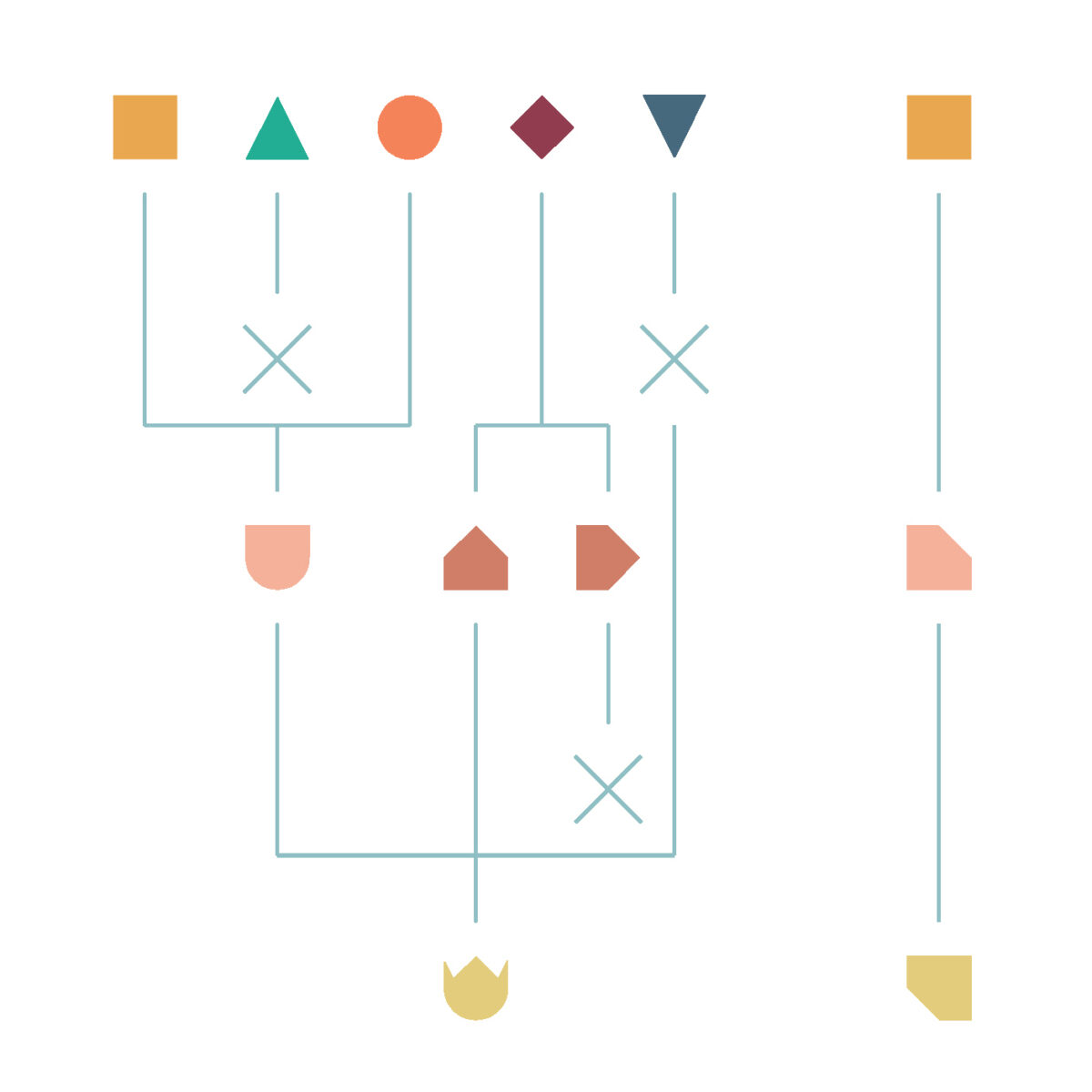
Iterative is not linear. Unlike a linear process, our approach is one of shared inquiry: a collaborative exploration in which alternatives are seriously studied and compared. It is the strength of this process that underpins the final decision.
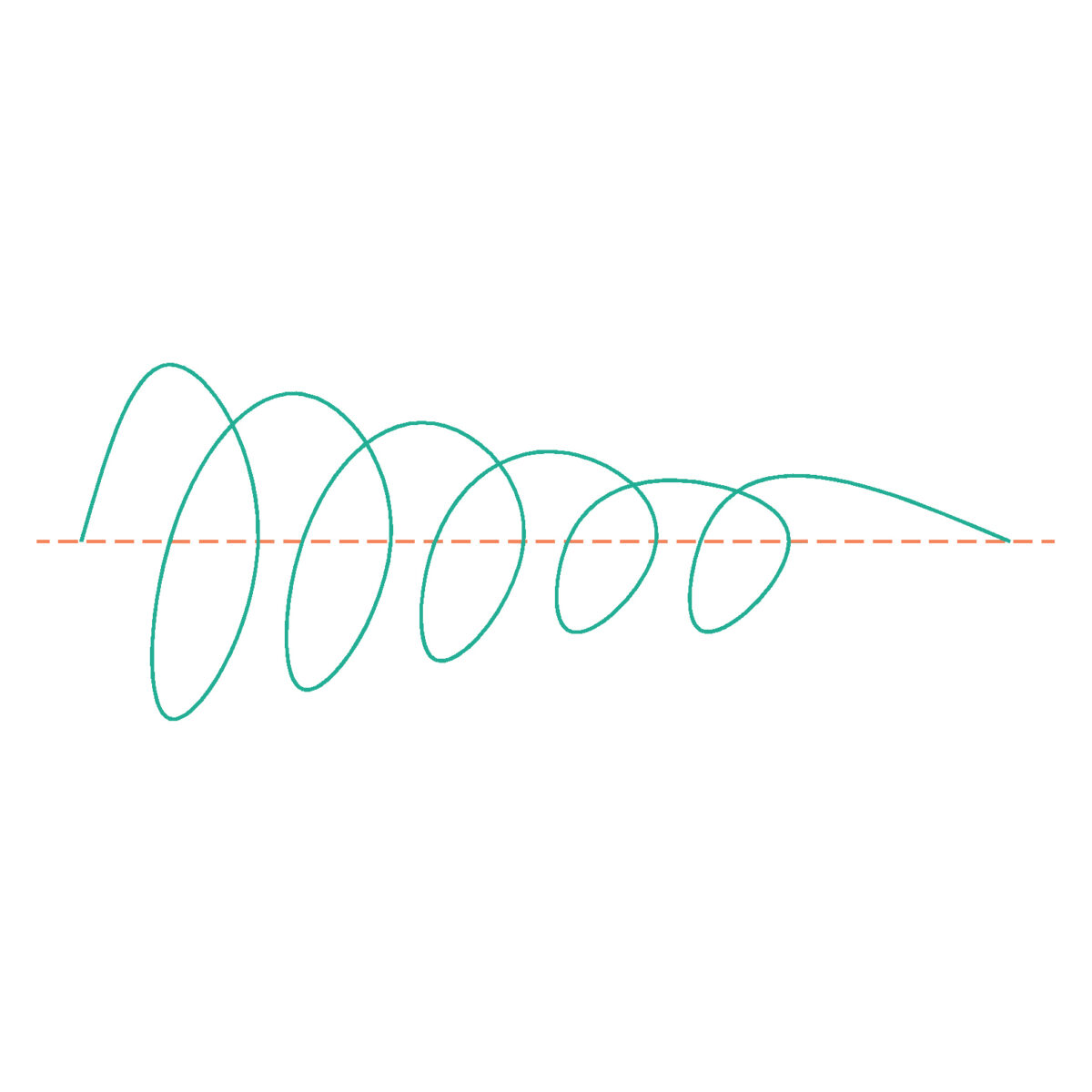
Talking. We talk a lot. With our clients. They are deeply involved and become co-authors of their projects. Their feedback fuels the process and drives the design forward.
Budget: we talk as much about money as we do about plans
Because a large share of our work involves private renovations, we have extensive experience with budget-conscious projects and cost control. Architectural quality and strict budgets are not mutually exclusive. For example, the "Weifelwand" project features a steel and glass wall made of standard, affordable L-profiles. The roof is finished in OSB panels, and the roof windows have MDF linings: simple, budget-friendly materials that gain richness through thoughtful composition. In "Décollage," we used granite tiles for countertops instead of casting terrazzo on site—elegant, but affordable.
We treat the budget as a design tool from the very first sketch. Just like plans or models, cost estimates are developed in parallel with the drawings and updated regularly. At each stage, these estimates are discussed in detail with the client and relevant partners. We don't design blindly, only to be surprised by the numbers later. Instead, the budget is an integrated part of the process. Some elements are designed to be more cost-effective so others can receive more investment. Different options—in both concept and material—are examined and compared in detail. We even include optional cost-saving alternatives or self-build options in the estimates. Multiple plan scenarios are priced individually.
This method allows us to guarantee architectural quality at every budget level. Technically, everything we propose must be solid. But spatial quality and aesthetics are creative domains—and it's exactly here, through creative work within a tightly integrated budget framework, that we find quality.
Our estimates are based on comparable projects (in scale, concept, location, etc.). Unique elements are estimated with input from likely contractors during the preliminary design. A percentage for uncertainty and anticipated inflation (ABEX index) is always added.
In the construction dossier, budget control is enhanced by clearly defining what is included in the quoted prices and what is not. This clarity helps avoid misunderstandings and surprises. These "inclusivity’s" are discussed in detail during the tender phase.
During construction, we review progress statements and invoices from contractors. Any changes in scope or cost are signalled and discussed before implementation. Open communication continues throughout this phase, allowing for constructive problem-solving and the review of alternative details. This demands commitment from us and our partners—but it pays off.
The (un)foreseen: a proactive and solution-oriented approach to uncertainty
Surprises on site are hard to rule out completely, especially in renovation projects or dense urban contexts. But we do our utmost to anticipate them. We start by reviewing all existing archive documents. We carry out targeted inspections when we suspect hidden issues. And we draw on our deep experience with similar buildings and construction techniques.
Our estimates are always based on "safe assumptions" rather than optimistic ideals. A realistic financial plan is more valuable than a beautiful illusion. Every estimate includes a contingency reserve—a buffer for unforeseen costs.
Should surprises arise despite this preparation, collaboration is key. We prioritize constructive and solution-oriented dialogue. We work with all stakeholders to identify and compare possible solutions. When needed, we research or draw alternatives and collect comparative pricing. Only once all factors have been weighed do we make a decision—together. Just like the initial design process, we do not take construction changes lightly. The right solution protects your interests and preserves the integrity of your project.

Office Structure: who’s going to take care of you
Our office activities are diverse, but our team members are specialised. To handle a varied portfolio with expertise, we’ve organised our work into three focus groups. The first team focuses on small-scale projects—everything with the complexity or size of a single-family home. These include (mainly private) renovations and new-builds. This team also handles art installations and design projects. Over time, they’ve built up strong expertise in managing and delivering this kind of work. The second team handles larger projects—those beyond the scale of a home. These include feasibility studies, adaptive reuse strategies, and master plans. It also covers architecture projects of greater size, like multi-family housing and apart-hotels. This team, too, has developed highly specific skills. The third team is dedicated to the restoration of small-scale heritage, preferably in urban contexts. You can read more about this team on our Redres page. This division allows us to specialise as individuals while broadening our capabilities as a practice.
Each project is assigned a dedicated team member—your single point of contact—along with a project architect (an experienced guide) and one of the managing partners (a high-level quality monitor). The structure is both horizontal and vertical: responsibilities and levels of experience vary, of course, but we maintain an open platform where everyone helps shape the project. This lets us place the right responsibilities in the right hands—while ensuring deep engagement from every member of the team.
Sustainability: more than numbers
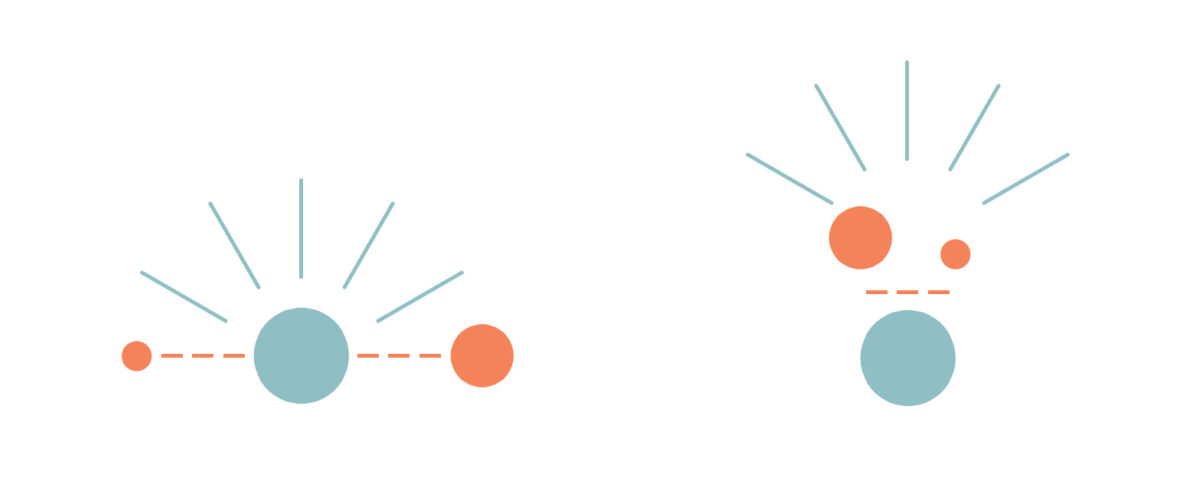
Sustainability is about more than numbers. It’s often reduced to energy performance—EPB regulations that rightly demand near-zero or passive buildings. And while energy is indeed an essential aspect, we see sustainability more broadly: it’s about long-term thinking. Thoughtful and deliberate.
Sustainability in our work also means considering the environmental impact of every material and design choice, how to build upon the existing (cultural) past, circularity and material reuse and the future of living itself.
That’s why we aim for an integrated approach from the start. All these factors are balanced early on. Through feasibility studies, we examine the pros and cons of various design paths. Technical advisors (like EPB experts) are involved from the beginning to intelligently align design and energy performance. Within realistic financial boundaries, we always aim for the best possible sustainability score. In terms of materials, we actively seek options with a low ecological footprint. We explore reuse wherever possible. Sustainability doesn’t have to be expensive.
We also explore future-oriented housing models—compact, flexible, communal, or phased. As cities densify, the way we live is evolving. Think care homes, co-housing, kangaroo dwellings, smart homes on tiny plots, or adaptable homes designed for lifelong living.
We believe sustainability means building for many lives. Buildings should age well—long-lived and resourceful—and, when the time comes, their components should re-enter the materials stream. But it’s also about conceptual durability: designing for people and purposes that don’t exist yet. The world is changing fast. Our buildings need to keep up—with materials and floor plans that stand the test of time.
Fees: A good architect pays for themselves.
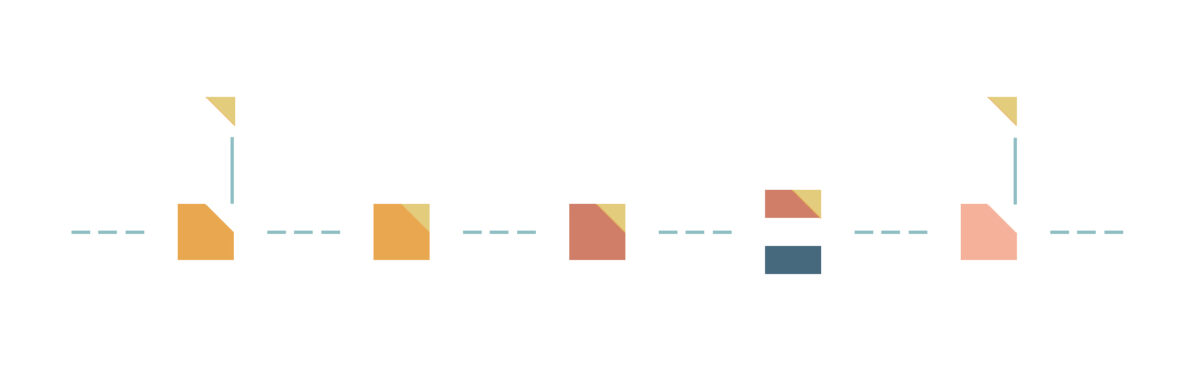
Aligning expectations and ambitions matters. What looks the same on paper can differ dramatically in quality. And price often reflects this. That’s only natural—people have different goals and priorities, and so does architecture.
We don’t offer a ‘bare minimum’ service. We’re interested in your story—and in delivering it well, from beginning to end. That means we go further than most architects. Our iterative process takes time and care, but it pays off—especially for something as important as your building project. Our drawings are precise, our dossiers are thorough. That includes even the smallest projects. We’re on site as often as needed—not twice, but however many times it takes. We don’t sketch dreams and disappear. Vague, low-cost dossiers often result in cost overruns that cancel out any initial savings. We’re committed. And we’re looking for clients who value that commitment.
Yes, that means we’re not the cheapest. But we’re also not the most expensive. Our fees are based on years of data and after-the-fact calculations. They’re proportionate to the sweat, skill and attention we put into every project. Think of laundry detergent—if you weigh price and quality for something like that, why not do the same for your home?
We’re not asking you to choose us despite our fee. We’re asking you to choose us if your expectations and ambitions align with ours. If you aim high—and want to land there too.

Biotope: a broad offering with focused depth
Marge is a biotope—a shared ecosystem for different design organisms. A network of interconnected yet autonomous activities, interests, and goals. Together, they form a holistic whole—cooperating where it makes sense, evolving independently where it doesn’t.
Right now, that biotope consists of three entities:
Marge: our design office for architecture, design, master plans and spatial interventions
Hatch: a coworking space for emerging architectural talent
Redres: our restoration practice for small-scale heritage