Technical sheet
Read moreRead lessURBAN PALACES: a reflection of quality of life
- Hôtel Particulier Brussels
- Villa Geurts Lokeren
- Urban palace Ghent
- Urban palace Antwerp
INDUSTRY AND TRADE: engines of buzzing activity
- Loodswezen Antwerp
- Former power station Langerbrugge
- Oud Vleeshuis Antwerp
MILLS: they shape the landscape, high on the hill, wind in their sails
- Scheldero Molen Merelbeke
- Houten Staakmolen Geluveld
- Houten Staakmolen Lo-Renige
- Plaatsmolen Pittem
- Merelaan Molen Gistel
- Kerrebroeck Molen Jabbeke
- Witte Molen Roksem
RELIGIOUS: God hides in the detail
- Kapel Kerselaere
- Kerk Ruislede
- Kerken met Toekomst Diest
MILITARY: silent witnesses of great noise
Halve Maan bunkersite Oostende
SCHOOLS: places of the future, since ancient times
Oude Jongensschool Wijgmaal
REDRES – MISSION STATEMENT
Redres is the in-house heritage studio of Marge Architecten.
We are captivated by architectural stories—of meaning, time, construction techniques, and craftsmanship.
We aim to carry those stories forward—into the future.
For us, heritage is where stories accumulate in historical structures.
For us, working with heritage is a societal mission of intergenerational storytelling.
The answer to the question "what is heritage?" is less clear-cut than it may seem at first glance. People often look for certainty in strict definitions—statuses and protections. A statutory label, tied to a set of defined values, determines an object’s worth. This approach is understandable and useful. But we view it more organically—heritage becomes a spectrum rather than a checklist. Zoom out, and all heritage-related questions—about monuments and protections—ultimately deal with assigning value. That value exists only because people choose to give it. People look at these objects and see them as witnesses of many kinds of stories: of architectural styles, urban history, forgotten trades, or defining historical moments. Stories about people, told through buildings. People find those stories valuable—they want to preserve them, and even expand them with new chapters.
From this perspective, we define heritage as follows: an object (or even the absence of an object) in which historically meaningful stories are layered and made manifest. For some objects, this is obvious: a neo-Gothic church, a grand opera house, a stately courthouse, or a modernist swimming pool. But for others, it’s less self-evident: the stories or objects may be smaller, more local, or less legible. This doesn’t diminish their worth. Think of an Art Nouveau shopfront in the city, a chapel on the corner, or a white mill base at the edge of a village. Heritage is part of our lived environment.
We find meaningful heritage everywhere—in cities and landscapes, in large and small structures, whether protected, listed, inventoried, or simply old. These are historical structures where stories have accumulated—structures worth preserving and continuing. Storytelling is our oldest form of knowledge transmission. And this kind of knowledge transcends a single lifetime. The intergenerational transfer of knowledge through heritage is of deep societal importance. It shows us who we were and are, where continuity lies, and where the breaks are. It explains the present and may help illuminate the future—through the lens of the past. Working with heritage is a mission of storytelling. That’s our starting point—and our driving force.
We believe heritage must remain an active part of society, telling its story forward—even when it means navigating complex questions of authenticity and innovation.
Heritage may appear static—frozen in time—but in reality, it rarely is. Heritage is often in motion across its own history. That evolutionary nature is a strength. Historic buildings are constantly reshaped by people to bring them back into relevance. Many have known multiple uses, renovations, additions, removals. Some buildings even donate their parts to others—a church cornerstone ends up in a townhouse, an inscribed attic beam becomes a floor joist elsewhere. Windmills, in some cases, are fully dismantled, relocated, and rebuilt. Sometimes, it’s not even the object itself that changes, but the story around it. Our views on colonial or wartime heritage, for instance, continue to evolve.
That kind of change is often part of what makes something heritage in the first place. And that’s exactly what makes heritage so fascinating: because in that space between time and transformation, the tension between authenticity and innovation comes alive.
Earlier, we described heritage as a spectrum. The same applies to the supposed divide between old and new. Contemporary interventions—often necessary to keep a structure usable—can be part of a continuum. We’re not interested in rupture, but in continuation.
So what does that mean, concretely? We believe preservation and design should go hand in hand—interwoven, not at odds. The design must emerge from the soul of the place—the genius loci. The foundations of design choices should come from a thorough understanding of the object. There must be a "donor match"—or the intervention will be rejected. We believe that in-depth analysis offers fertile ground to continue the existing story, through carefully aligned architectural interventions. In this light, innovation and authenticity are not opposites—they’re different moments in the same narrative. A new intervention doesn’t have to erase itself. It doesn’t need to shout either. Sometimes it’s appropriate to bring back missing components through reinterpretation: not nostalgic, not starkly modern, but something else entirely. Perhaps it’s more respectful to design a new terrace or facade opening in the spirit of the original. Perhaps stratigraphic paint research can inform a new color scheme. In-depth analysis leads to renewal and reinvention.
A methodology rooted in analysis and empathetic design thinking places both heritage and people at the center.
This view demands a nuanced relationship between "old" and "new", making the analysis and design phase absolutely crucial. Marge’s methodology—heritage or not—is grounded in careful analysis. We study the existing condition, boundary conditions, and the project's needs. From there, we generate ideas iteratively—design research—shaping them collaboratively into a preferred scenario. This approach is uniquely suited to heritage work.
The Redres studio, within Marge, adopts and expands this method.
Thorough research is our treasure chest. We define five main types of analysis. First of all, the measurements. Land surveyor data, detailed measurements, archival research, indirect sources (historic manuals or comparable buildings), pathology photo reports.
Secondly, from historical-building analysis to fieldwork, archival studies, iconography, dendrochronology, and archaeology.
Thirdly, architectural characteristics. We research material features (components, rhythm, repetition), as well as immaterial ones (spatial dynamics, daylight, symmetry, axes, address logic).
A fourth group are technical-building analysis such as pathology mapping and diagnosis via probing, exploratory dismantling, destructive testing, lab work, and phase chronology.
And lastly, the contextual analysis: spatial, legal, and programmatic. Urban planning scans, zoning and code interpretation, capacity studies, fire and accessibility assessments.
These analyses form a solid foundation for the design phase: the creation of a clear and inspiring project. We work in successive rounds of increasing precision—sketch, concept, permit, execution, tender, and site. Throughout, our focus remains on empathy and iteration. This allows us to develop and evaluate parallel options, drawing from both analysis and evolving design insight.
Our way of working centres both heritage and stakeholders. Despite their differing roles, preferences, and agendas, all stakeholders usually share one core value: allowing the heritage object to continue telling its story. That human factor is essential, and our process is designed to create strong engagement. We gather everyone around the same table, present variant designs side by side to keep the discussion open, and rely on clear communication to keep the engine running. Participatory design, interdisciplinary feedback, and shared authorship are not buzzwords—they’re the basis of how we make each project stronger, deeper, and better founded. Heritage is born from shared stories. Its future should be too. The result? A well-balanced and coherent design. A vision aligned with our mission.
As heritage architects, we offer our expertise, communication, design skills, and project management to serve your heritage object. We do this for private and professional clients, as well as public bodies. Beyond full restoration—including funding support—we also take on: adaptive reuse studies, feasibility assessments, complementary design tasks (interiors, design interventions), management plans, heritage reports and visual quality studies.
And finally, a dream about impact. A wish for enrichment.
We, too, draw meaning from our work. That meaning stems from our values, vision, and desire to engage with heritage. We believe heritage has a powerful, positive impact on society—and we want to help secure its quality and future. We’re curious about all kinds of objects—big and small, rural and urban, official and informal. All with stories to tell. We feel the urge to enrich—to keep weaving the narrative, alongside passionate partners. To use the past as fertile ground for a better, shared future. To carry heritage forward.
REDRES"
A recovery, a revision, an improvement.
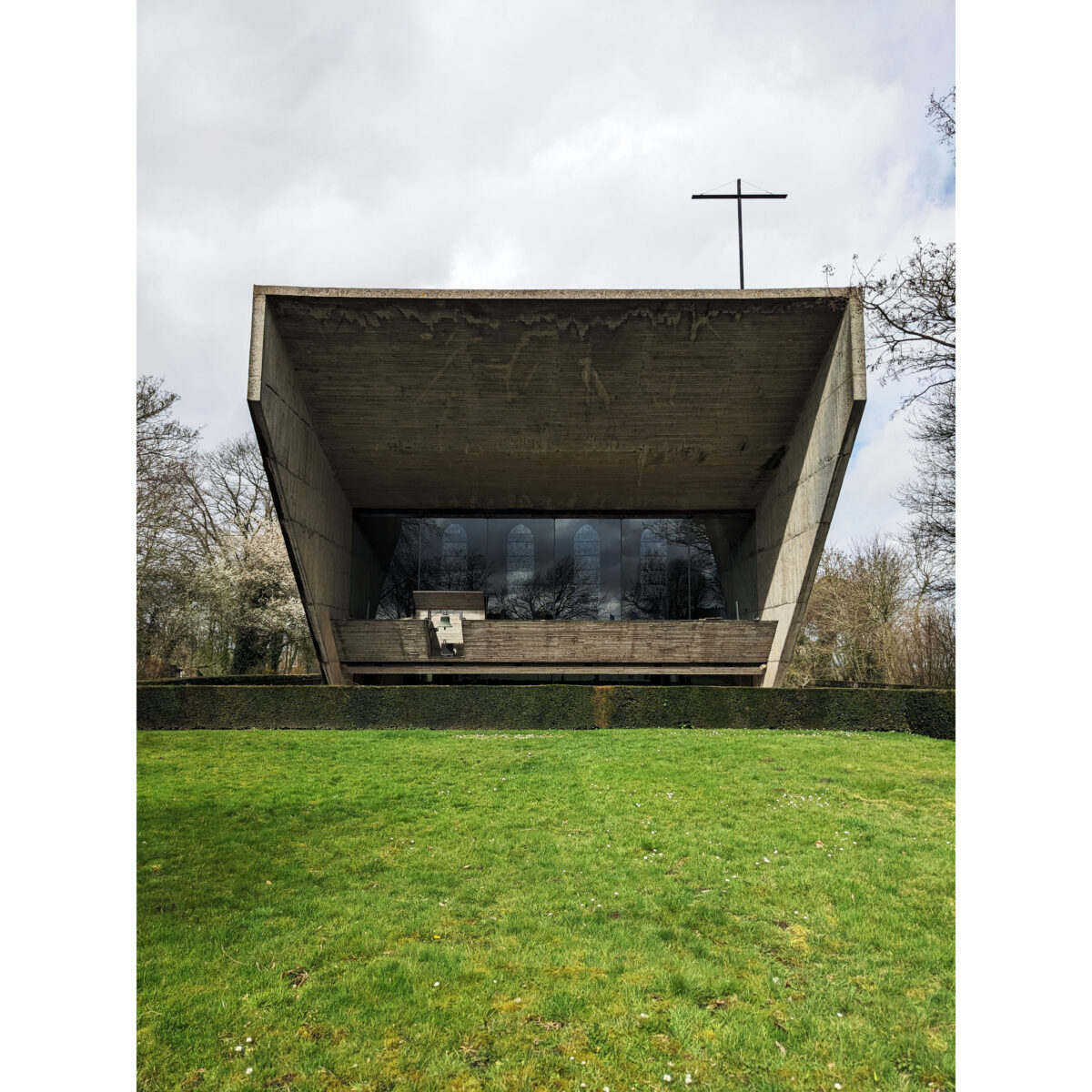
The Chapel of Kerselare by Juliaan Lampens. The chapel is embedded in a carefully choreographed landscape of paths, retaining walls, and resting points. Alongside the chapel, the landscape itself also requires restoration.
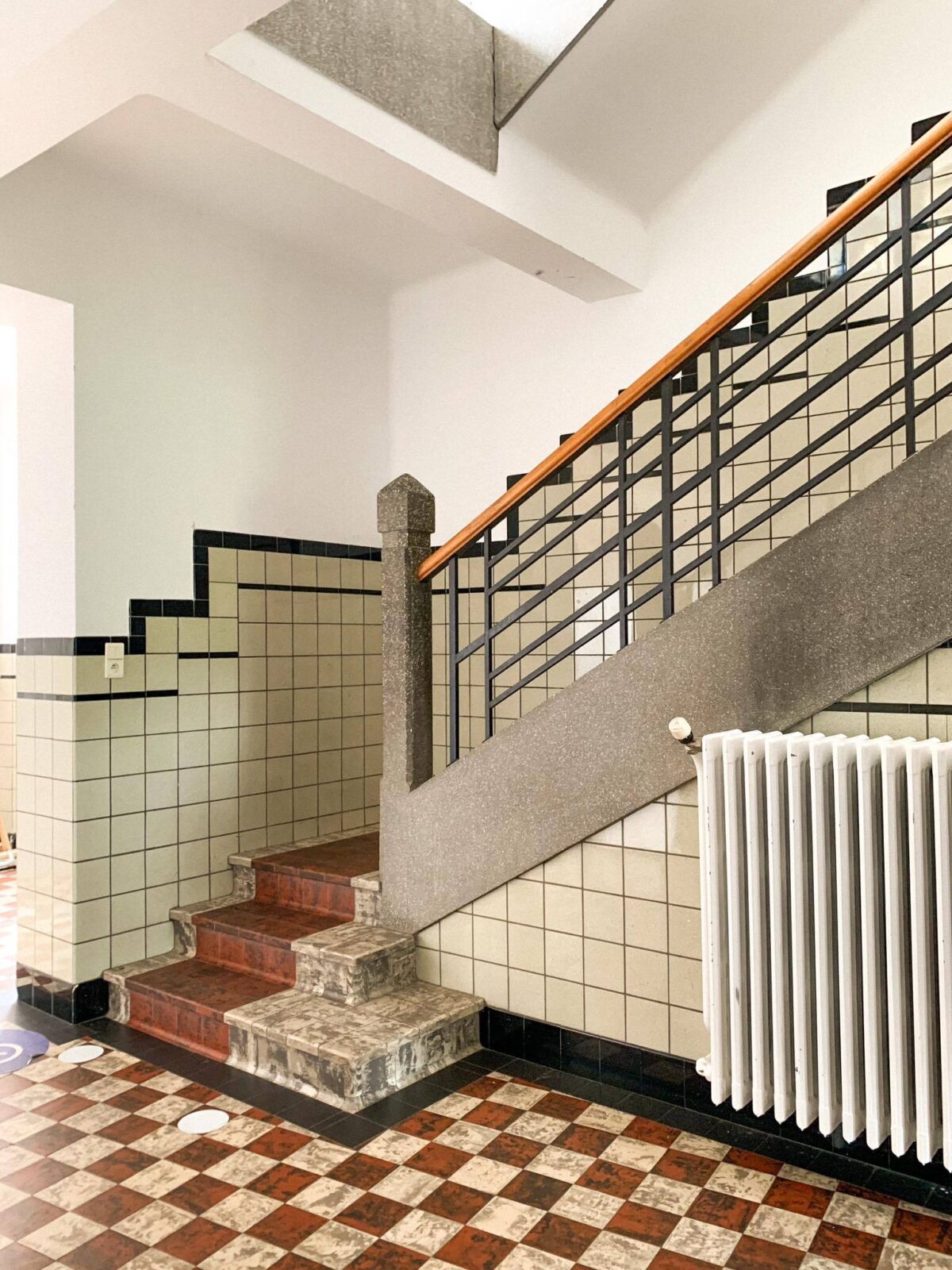
The former boys’ school in Wijgmaal is ready for a new purpose. We won this competition together with our partners at Archivolt.
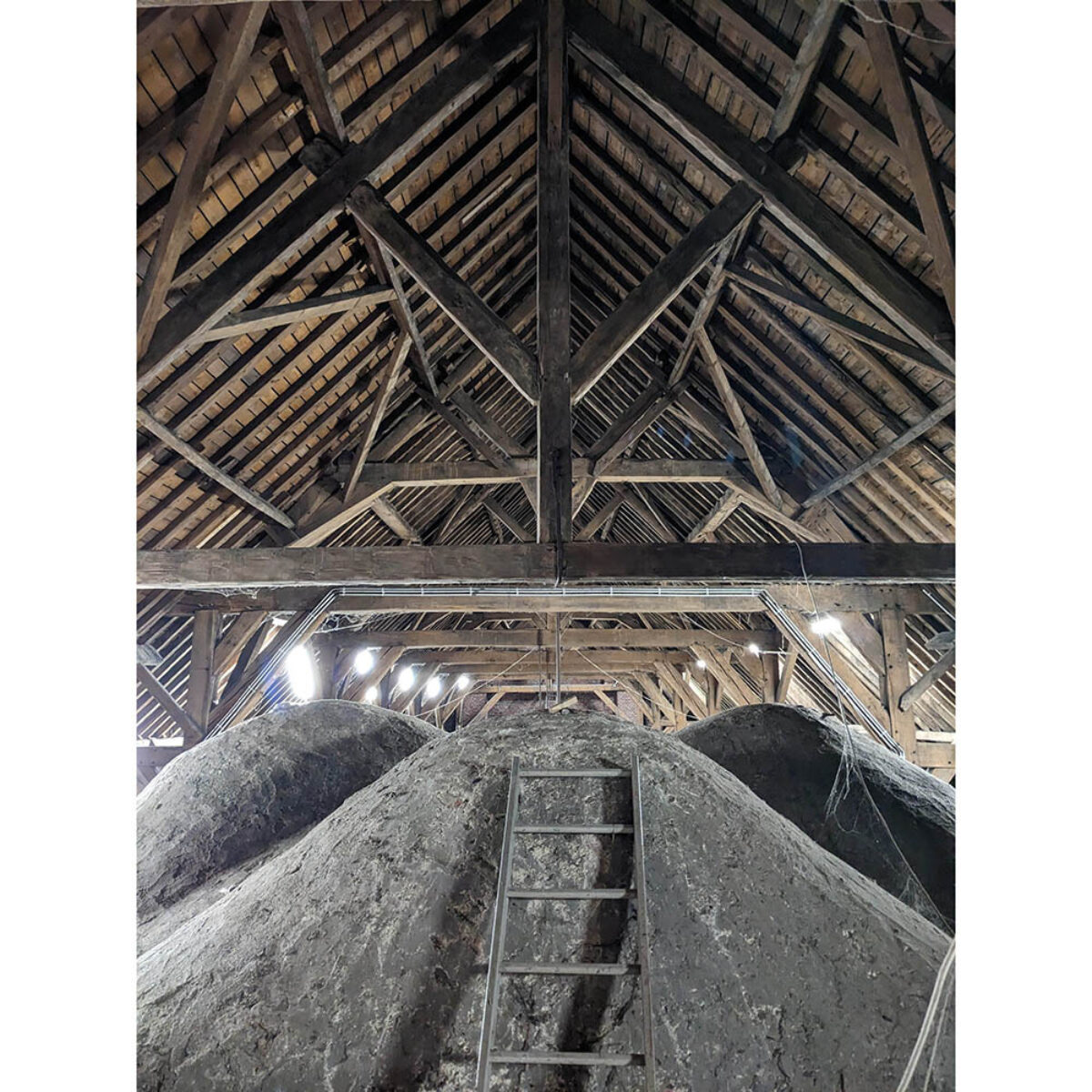
Above the vaulted ceilings of the Church of Ruiselede, the timber roof structure reveals its secrets: fire, decay, and traces of previous repairs. Construction scars that testify to a long history. We are adding a new chapter to this book.
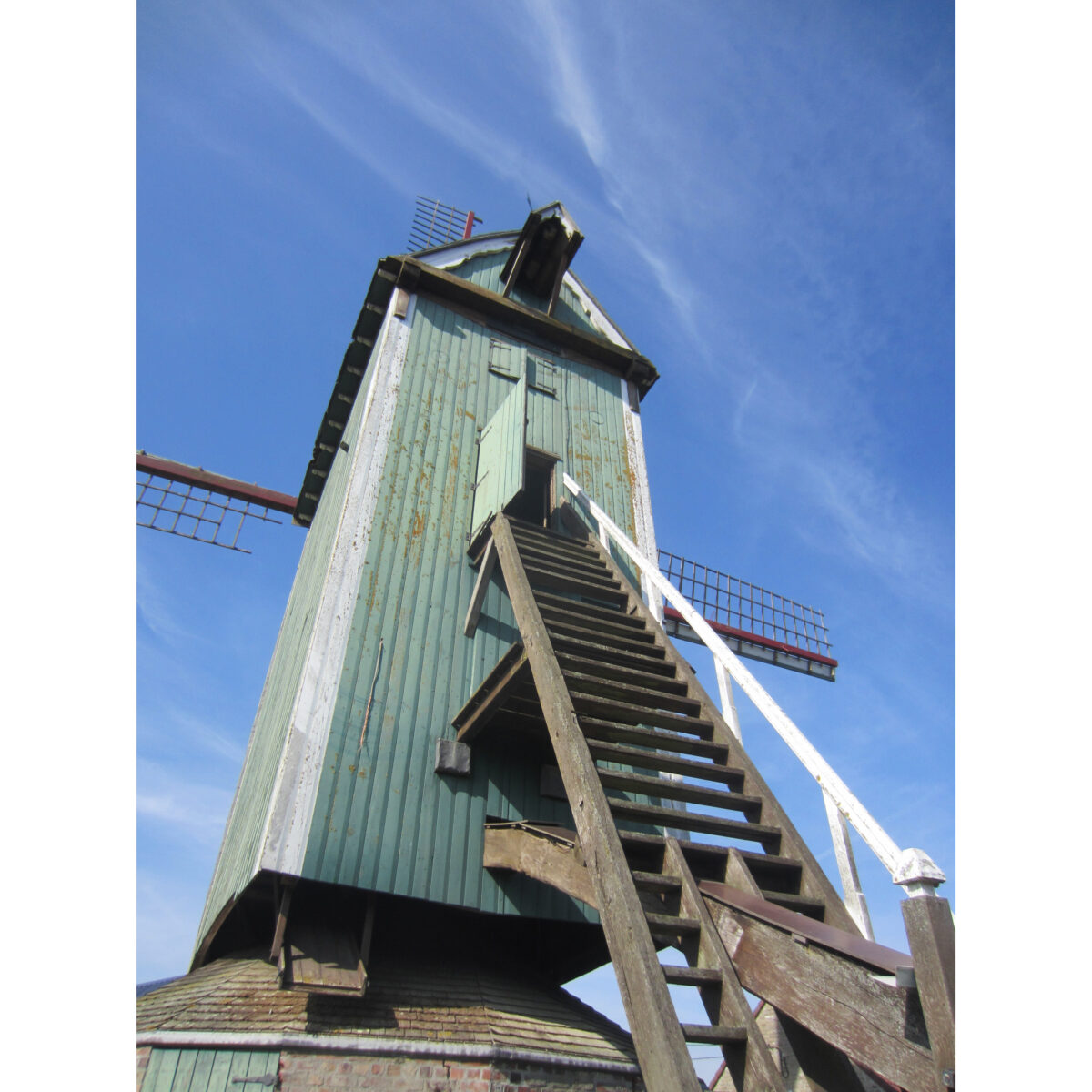
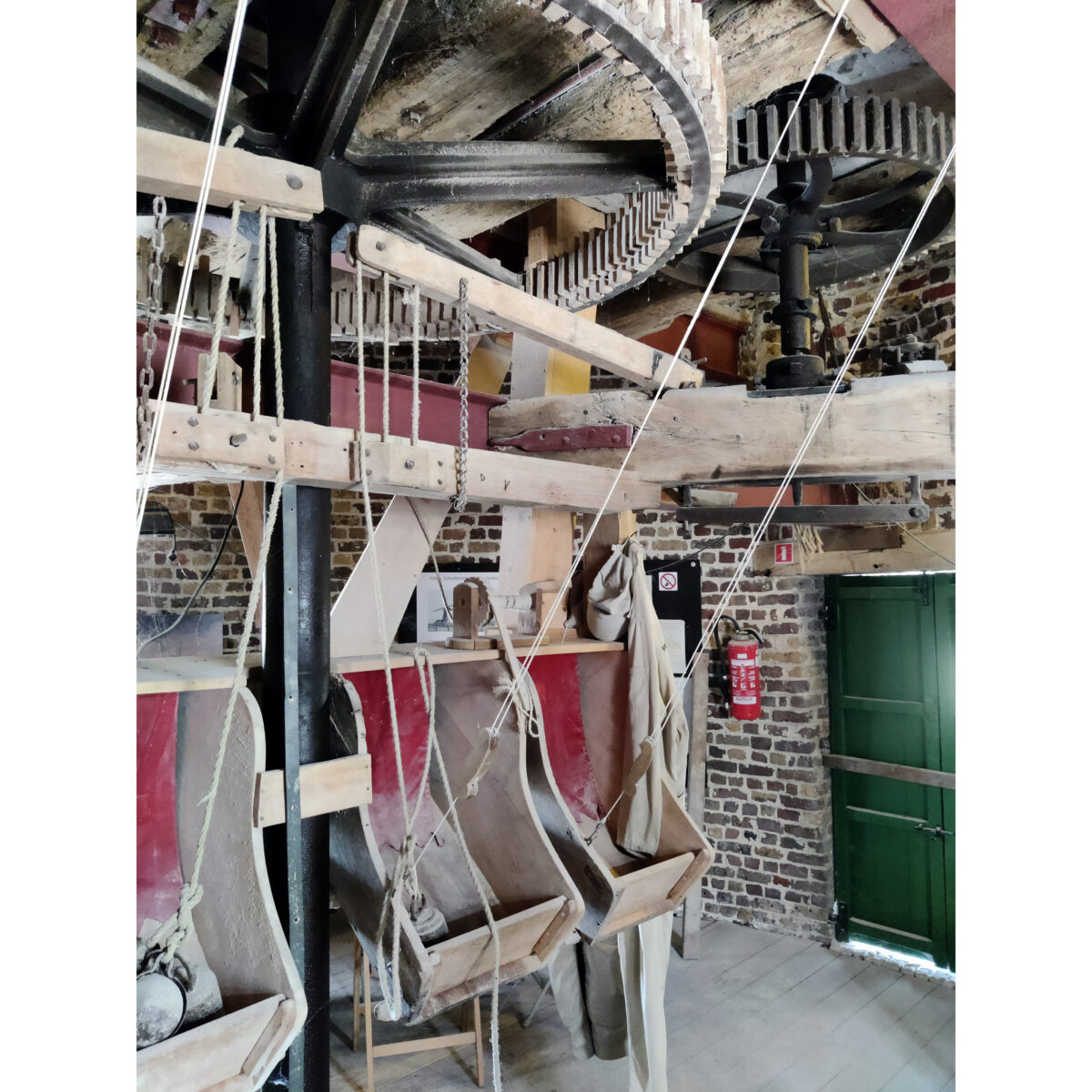
Mills are remarkable structures. Like people, their sustainable maintenance depends on movement. They are complex little buildings filled with gears and moving parts. Together with ir. arch. Freddy De Schacht, we are bringing these proud giants back to life.
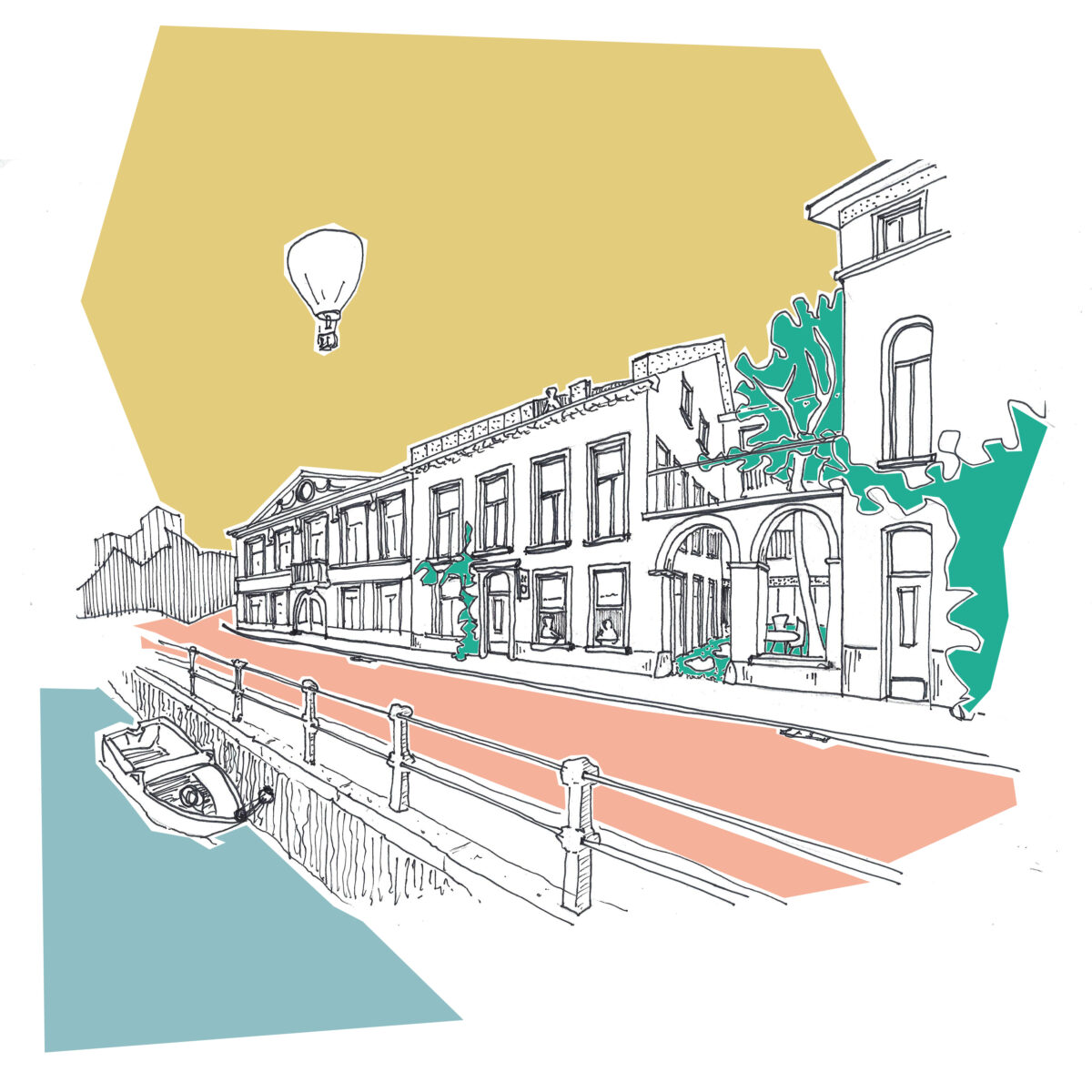
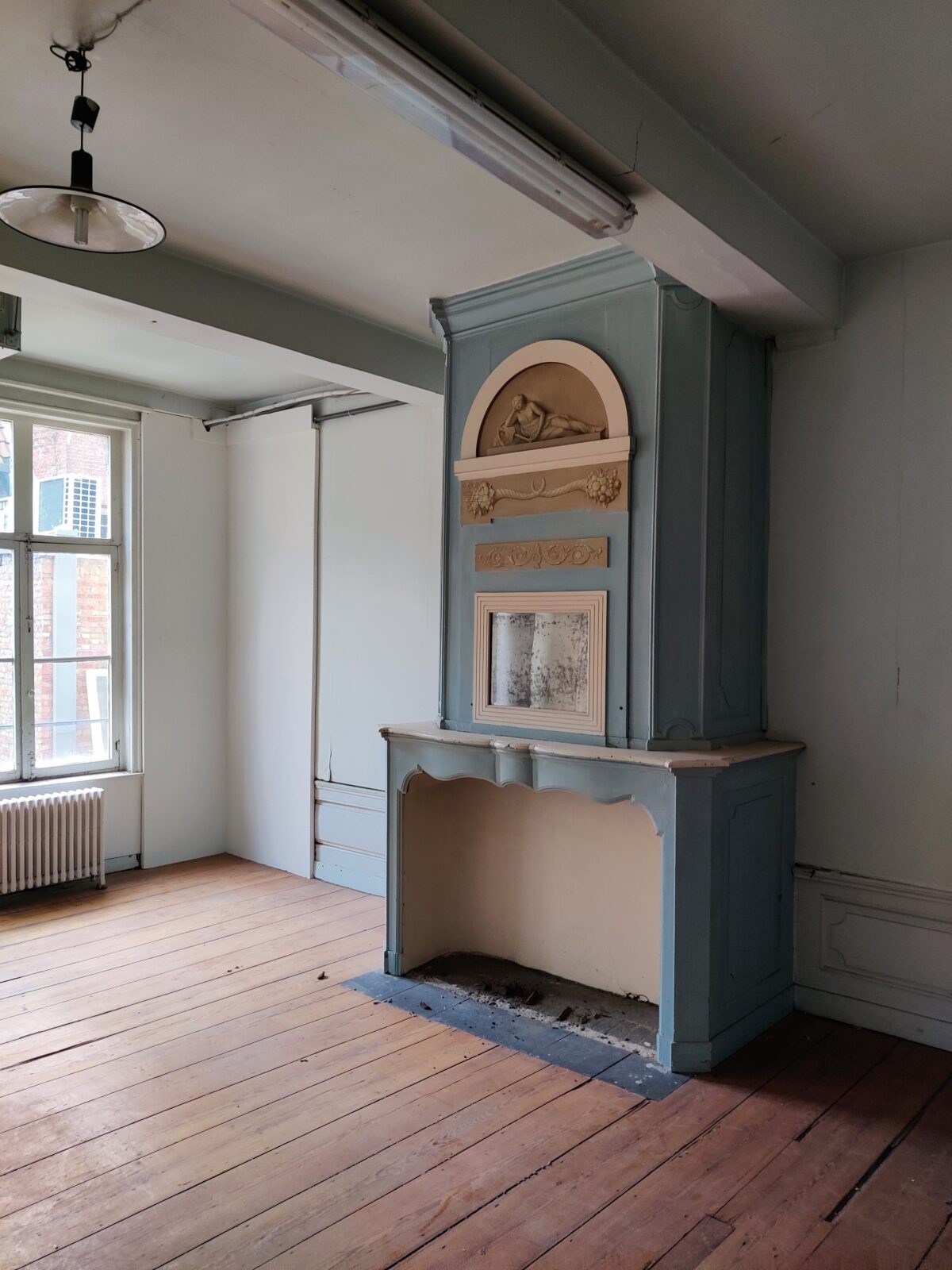
Cities are old. There are many old things — not all are officially protected, but that doesn’t mean they lack value. Unlisted buildings can still be meaningful. Former urban palaces like this one in Ghent still have a place in public life.